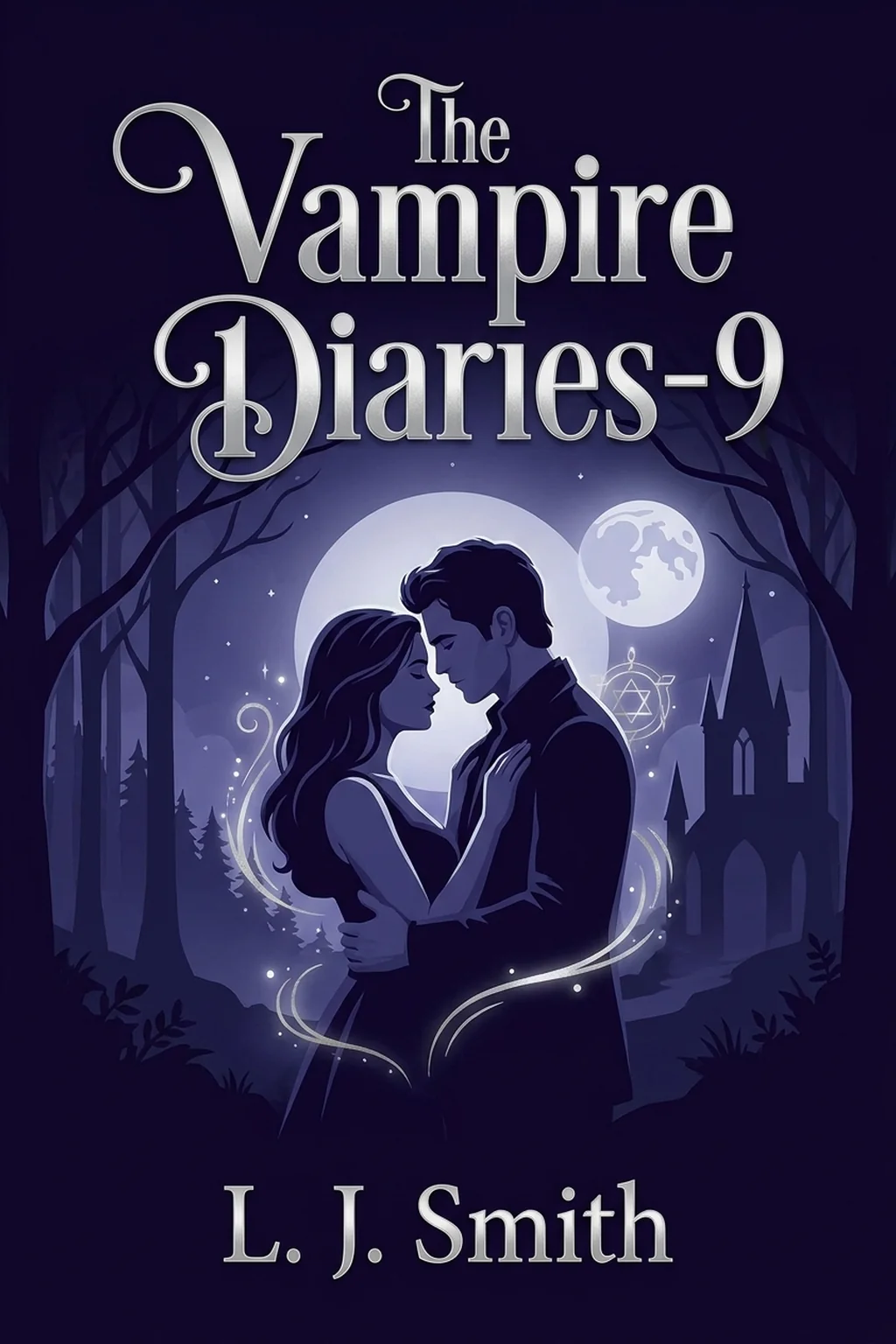
Moonsong
The Vampire Diaries #9
Moonsong treats belonging — rather than monsters — as the actual subject. L.
Overview
Moonsong treats belonging — rather than monsters — as the actual subject. L. J. Smith writes it in Third person, across 2 chapters and roughly 82,459 words — a unhurried read that puts Supernatural World, Fated Mates, Immortal Hero at the centre of it. Moonsong treats belonging — rather than monsters — as the actual subject.
There are quiet stretches in Moonsong that some readers will find slow and others will find where the book actually lives.
Moonsong takes its time establishing the world before it asks anything of the reader, and it pays that time back later.
L. J. Smith writes in short, controlled sentences, and Moonsong is no exception — the pacing is deliberate rather than hurried.
At a glance
- Author
- L. J. Smith
- Genre
- Paranormal Romance
- Series
- The Vampire Diaries #9
- Publisher
- Independently published
- Published
- March 17, 2012
- Length
- 82,459 words
- Chapters
- 2
- Est. reading time
- 330 minutes
- Point of view
- Third person
- Pace
- Unhurried
- ISBN
- Not listed
Reading profile
What the shape of this book feels like before you start it.
Tone
Atmospheric and electric, with a supernatural rule set
Pace
Unhurried and immersive, rewarding a slower read.
Point of view
Third person
Length
82,459 words across 2 chapters, around 330 minutes at an average reading pace.
With 2 chapters and about 82,459 words, Moonsong has room for a proper second act. Nothing important is rushed, and the final stretch arrives with the pieces already in place.
Tropes and themes
The patterns this book draws on, and what each one does to the story.
Supernatural World
The supernatural setting operates on rules with real limits, and the romance is the place those rules are tested.
Fated Mates
A predetermined bond removes the question of whether and creates the question of how, which is the more interesting problem.
Immortal Hero
The book keeps returning to a small number of questions about honesty and self-image, and the romance is the place where those questions get answered.
Chapter guide
The real table of contents for Moonsong, grouped into the four movements of the book.
Part One — The Opening
The first quarter of Moonsong is setup, and L. J. Smith does it with intent. Rather than throwing the reader into the middle of a life, this stretch establishes what the two leads each want and how badly the current arrangement is working for them.
- EpilogueTurns the plot toward the complication that carries the second half.82k words
Part Four — The Resolution
The final stretch resolves what the middle raised. L. J. Smith closes the outstanding threads rather than leaving them dangling, and the last chapters are quieter than the ones before them — which is usually a sign the work is done.
- EpilogueEstablishes what each character wants before they know they are in conflict.651 words
Content notes
Heat rating: warm (3/5). See the site-wide content advisories for a full list of what to check before starting. <a href="/disclaimer/">Read the content notes</a>.
Who should read this
Readers who like a genre book to stay inside its genre
Moonsong does not try to subvert the conventions of Paranormal Romance; it executes them well. If you want a clean example of Paranormal Romance, that is what this is.
Readers who want a clean emotional arc
If you prefer a romance that resolves its tensions rather than leaving them for a sequel, Moonsong closes its threads properly.
Readers who like banter
There is real dialogue in Moonsong — conversations that could be lifted out and read on their own. That will appeal if sharp talk is a non-negotiable for you.
Readers who like their leads to be competent
Both characters here are good at what they do and better at their jobs than at their relationships. That is the appeal for readers who are tired of protagonists who need rescuing.
If this one appeals, try these
Similar genre, tropes and tone — from the LumiNridge catalogue.
Bloodlust
Paranormal Romance · Compact · 48k words · Supernatural World & Fated Mates
Midnight
Paranormal Romance · Steady · 123k words · Supernatural World & Fated Mates
The Struggle
Paranormal Romance · Compact · 52k words · Supernatural World & Fated Mates
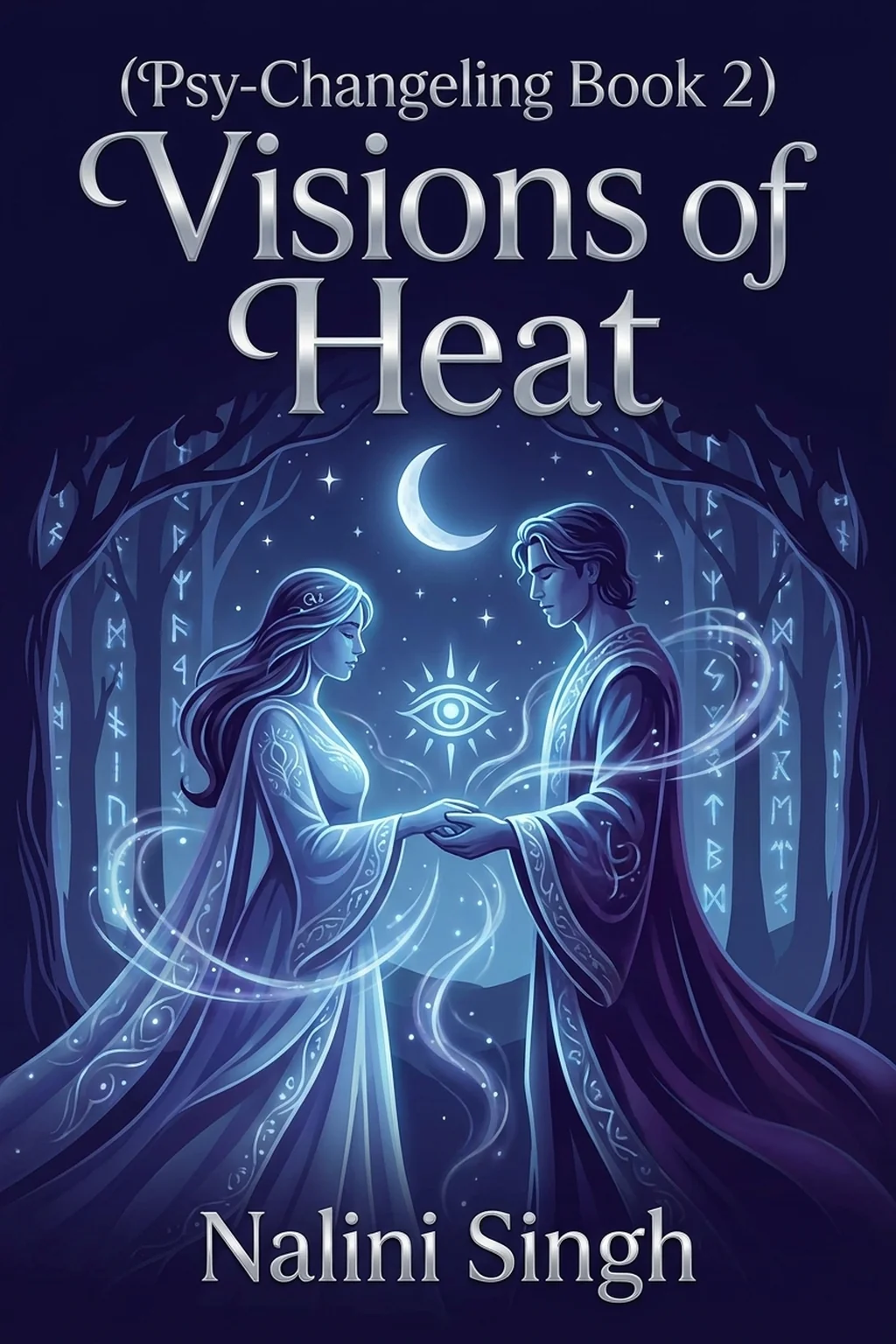
Visions of Heat
Paranormal Romance · Unhurried · 104k words · Supernatural World & Fated Mates
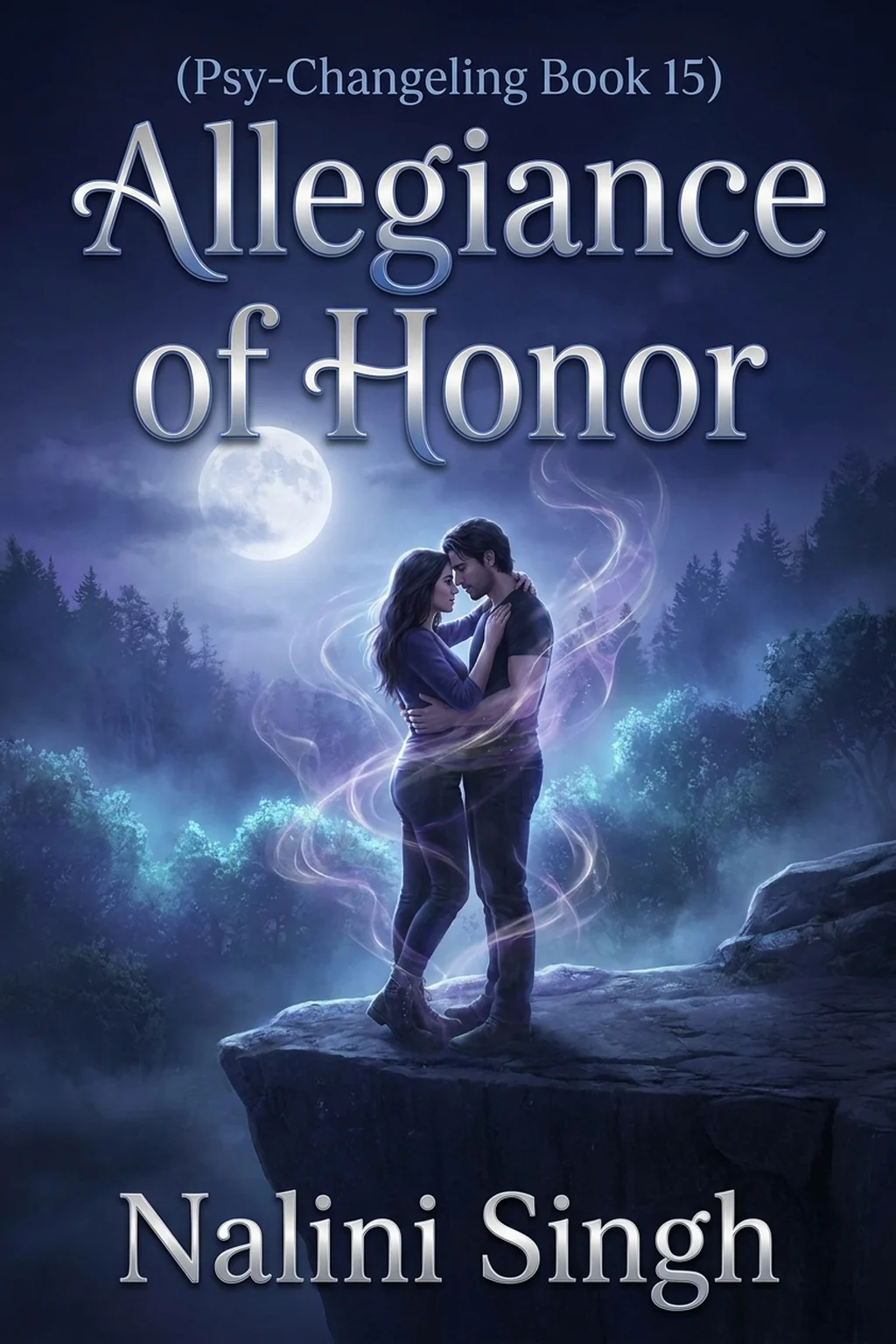
Allegiance of Honor
Paranormal Romance · Propulsive · 150k words · Supernatural World & Fated Mates
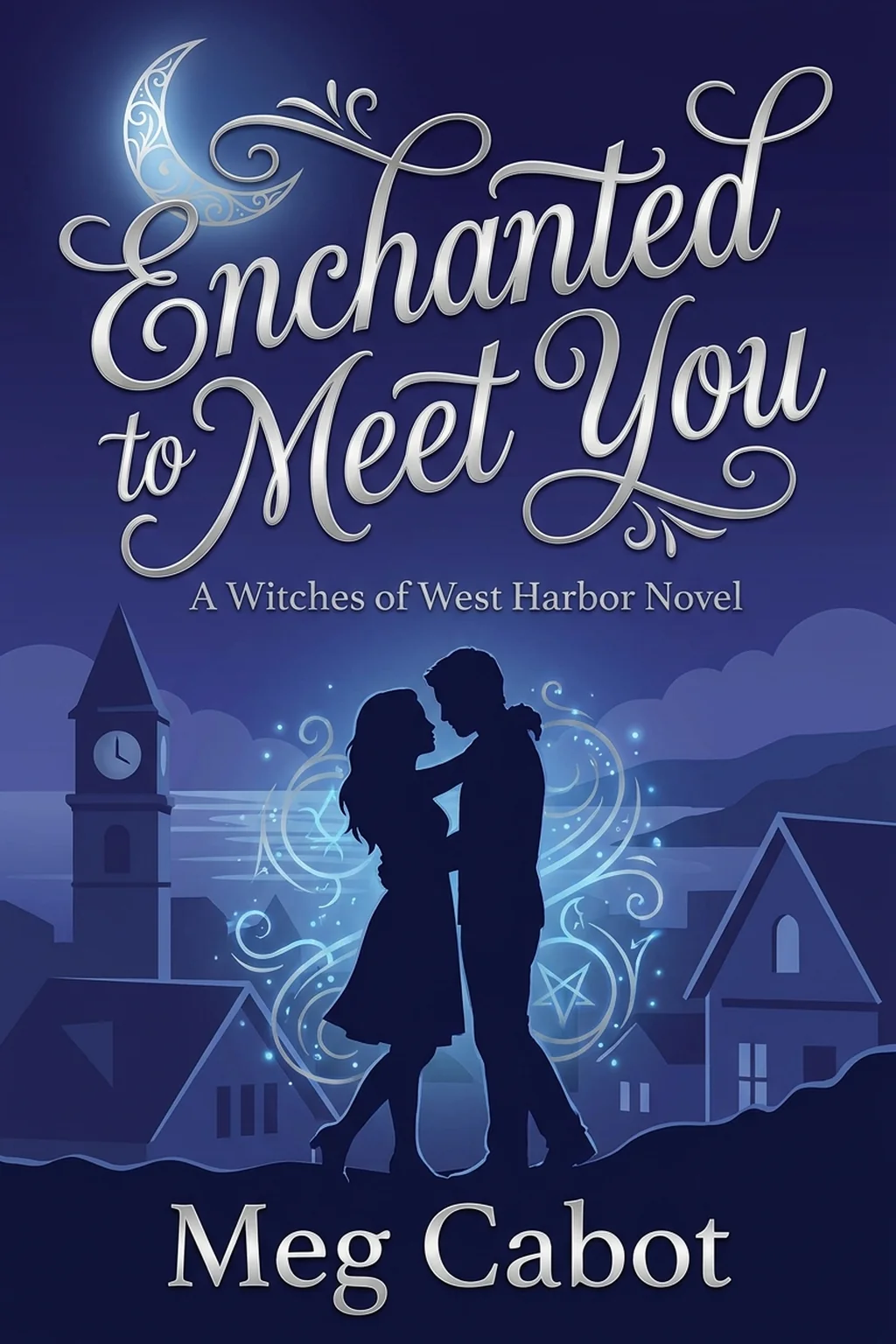
Enchanted to Meet You
Paranormal Romance · Propulsive · 96k words · Supernatural World & Fated Mates
Editorial verdict
Moonsong is worth picking up if you are in the mood for Supernatural World, Fated Mates, Immortal Hero, and if you are comfortable with warm content. It is 2 chapters long, and it does not outstay its welcome.
About L. J. Smith
L. J. Smith has 4 titles in the LumiNridge catalogue, including Bloodlust and Midnight. The other titles listed on the author page cover a different corner of the shelf.
More by L. J. Smith
Frequently asked questions
What tropes does Moonsong use?
The catalogue tags it with Supernatural World, Fated Mates, Immortal Hero. Each of those shapes a different part of the plot, and the tropes section on this page explains what each one does to the story.
Is Moonsong suitable for reading in one sitting?
It is long enough to want a proper sitting but short enough to be reasonable over a long weekend. The frequent chapter breaks make stopping easy.
How long does Moonsong take to read?
It runs to roughly 82,459 words across 2 chapters — about 330 minutes at an average reading pace. That makes it a comfortable weekend read, or something you can work through in a week of short evening sessions.
What is the point of view in Moonsong?
It is told in Third person. The third-person narration lets the book step back far enough to show what the characters cannot see about themselves.
How does Moonsong compare to other Paranormal Romance books?
Among the Paranormal Romance shelf, Moonsong is one of the unhurried entries. The books listed under “If this one appeals, try these” are the closest matches by genre, trope and tone.